

Introduction
Esports has grown from a small hobby into a worldwide industry worth billions of dollars. Today, esports draws in massive live audiences, often rivaling the crowds that traditional sports like football or basketball attract.
But behind every match, there is a team of people working hard off-screen: coaches, managers, analysts, and content creators. This is where organizations built around projectrethink org team esports ideas come into the picture. They show how a modern esports group can grow beyond just winning games.
This article breaks down how a well-run esports organization is built, trained, and supported. We will look at team structure, player wellness, community building, sponsorships, and the numbers behind the industry’s growth. Everything here is written in plain, simple language so that anyone — even a student in school — can understand how esports teams really operate in 2026.
By the end, you will know what makes a strong esports organization different from a group that just plays games together and why this model is spreading across the gaming world.
What Is ProjectRethink.org Team Esports?
ProjectRethink Org Team Esports refers to a modern style of esports organization built around one core idea: rethink how a competitive gaming team is run instead of only focusing on tournament wins.
In simple words, it’s not just a group of gamers playing together—it works more like a small sports organization. It usually includes:
- Players who compete in games
- Coaches and analysts who plan strategy
- Content creators who run streams and social media
- Community managers who connect with fans
- Wellness support (like mental health resources) for players
The main difference from an old-style gaming team is the priority order: people first, results second. Instead of building everything around one star player, this model focuses on player development, mental health, community trust, and steady long-term growth — so the organization keeps working smoothly even if a player leaves or a losing streak happens.
That’s why it’s often mentioned as an example of where the wider esports industry is heading in 2026 — toward organizations that treat players as whole people, not just competitors.
What Makes an Esports Organization Different From a Gaming Team
A lot of people think esports teams are just a few friends who play video games together. That was true many years ago, but it is not true anymore. Today, an esports organization is closer to a small business. It usually includes players, coaches, managers, marketing staff, and sometimes even doctors or mental health counselors.
The main goal of an esports organization is to build a system that keeps working even if one player leaves. Instead of relying on a single star player, the organization builds processes: how players are picked, how they practice, how they talk to fans, and how the brand grows over time.
This shift matters because esports is no longer just entertainment. Universities now offer esports scholarships, and some schools have full varsity programs with coaches and training facilities, similar to traditional college sports.
An esports organization also needs a clear identity. Fans want to know what a team stands for, not just which games it plays. This is why branding, community values, and long-term planning are just as important as winning tournaments.
The Story Behind ProjectRethink org Team Esports
The core idea is simple: rethink how a gaming organization should be run. Instead of only chasing tournament wins, the focus is placed on building people first and results second.
This approach treats esports as a full ecosystem. Players are supported with coaching and mental health resources. Content creators help the brand reach new audiences through streaming. Community managers build a space where fans feel like they belong, not just spectators watching from a distance.
This mindset matches where the wider esports industry is heading. Analysts tracking the esports market in 2026 estimate global industry revenue is now moving past the $5 billion mark, with worldwide viewership crossing well over 600 million people. As the money and attention grow, organizations that only care about winning tend to fall behind those that also care about their people.
Groups following this model usually focus on four things: player development, community trust, digital content, and steady growth instead of quick fame. This is a big shift from older esports teams that were built around one talented player and fell apart once that player left or burned out.
For readers who want a deeper look at how modern gaming brands are structured, our <a href=”#team-structure”>team structure section below</a> breaks down each role in detail.
Building a Roster: How Players Are Scouted and Chosen
Finding the right players is one of the hardest jobs in esports. A good scout does not just look at who has the highest kill count in a game. They look at communication skills, how a player handles pressure, and whether they can work well with teammates.
Most esports organizations follow a similar process:
- Watching ranked matches and smaller tournaments to spot rising talent.
- Running trial periods where a player practices with the main team.
- Checking how the player communicates during stressful moments.
- Reviewing the player’s online behavior and reputation.
- Signing a contract that covers pay, streaming duties, and expectations.
Groups shaped by Project Rethink Org’s team esports thinking often add one more step: checking if the player fits the team’s culture and long-term goals, not just their current skill level. This matters because a talented player who cannot handle criticism or teamwork can hurt the whole group.
Roster building is not a one-time event either. Teams often rotate players between a main roster and an academy or development squad. This gives younger players a chance to grow before joining the top team, which reduces pressure and burnout.
Coaching, Strategy, and Smart In-Game Decisions
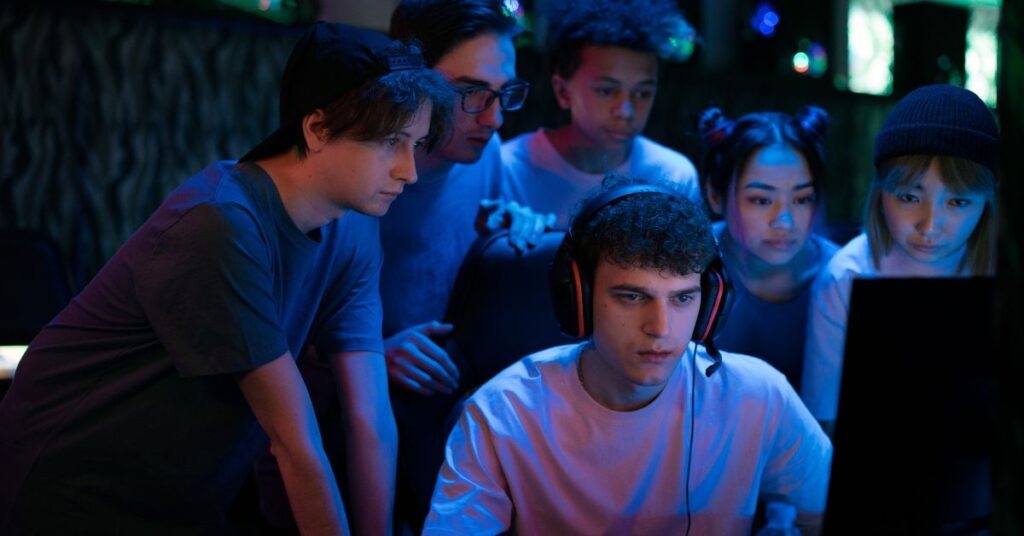
Coaching in esports looks a lot like coaching in traditional sports, but it happens much faster. Games can change in seconds, so coaches need to prepare players for many possible situations before a match even starts.
A typical esports coaching setup includes:
- A head coach who plans overall strategy and match preparation.
- An assistant coach or analyst who studies opponent replays.
- A performance coach who focuses on reaction time, focus, and mental sharpness.
Good coaches also teach players how to adjust mid-game. In fast titles like shooters or strategy games, a team that can change its plan quickly often beats a team that only sticks to one fixed strategy. This is often called “in-game adaptability,” and it is one of the most valuable skills a competitive player can have.
Film review is another big part of coaching. Teams record their own matches and study them afterward, just like football teams review game tape. This helps players see their mistakes clearly instead of just hearing about them.
Strong coaching staff also manage team morale. A coach who only criticizes players without encouraging them usually sees performance drop over time. Balancing honest feedback with support is a skill in itself.
Player Wellness and Mental Health in Competitive Gaming
Esports can be mentally exhausting. Long practice hours, public criticism from fans, and constant pressure to perform can affect a player’s mental health. Research published through the U.S. National Library of Medicine has found that <a href=”https://pmc.ncbi.nlm.nih.gov/articles/PMC10836213/” target=”_blank” rel=”noopener noreferrer”>competitive gamers can experience mental health challenges linked to sleep problems, burnout, and performance stress</a>, similar to patterns seen in traditional athletes.
Because of this, many modern esports groups now include the following:
- Access to a sports psychologist or licensed counselor.
- Scheduled rest days instead of nonstop practice.
- Clear rules about healthy screen time and sleep habits.
- Support systems for players who struggle with public criticism online.
Ignoring mental health can hurt a team’s performance just as much as skipping physical training. A tired, stressed player makes more mistakes, communicates poorly, and burns out faster. Organizations that treat player wellness as a real priority tend to keep their talent longer and see steadier results over multiple seasons.
Parents and young players should also know that healthy competitive gaming habits, like balanced screen time and proper sleep, matter just as much as practice hours.
Content Creation, Streaming, and Growing a Community
Winning matches is only part of how an esports brand grows. Content creation is now just as important. Streaming platforms let organizations talk directly to fans without waiting for a tournament to get noticed.
This is one of the clearest ways Project Rethink.org’s team esports-style organizations differ from older esports teams. Instead of only posting match results, they build daily content: behind-the-scenes videos, player streams, tutorials, and community events. This keeps fans engaged even during slow seasons when the team is not competing.
A strong content strategy usually includes:
- Regular livestreams where fans can chat directly with players.
- Short highlight clips shared on social media.
- Behind-the-scenes content showing training and team life.
- Community events like fan tournaments or charity streams.
This constant contact builds loyalty. Fans who feel connected to a team are more likely to support sponsors, buy merchandise, and stick around even during losing streaks. Community building has become one of the biggest tools esports organizations use to stay financially stable.
Team Roles and Growth: A Quick Visual Breakdown
To make things easier to understand, here is a simple breakdown of common roles inside a modern esports organization, followed by a snapshot of industry growth.
Table 1: Common Roles in a Modern Esports Organization
| Role | Main Responsibility | Works Closely With |
|---|---|---|
| Head Coach | Plans strategy, runs practice sessions | Analysts, Players |
| Analyst | Studies opponent gameplay and data | Head Coach |
| Team Manager | Handles schedules, contracts, logistics | Players, Sponsors |
| Content Creator | Builds videos, streams, and social posts | Community Manager |
| Community Manager | Manages fan interaction and events | Content Creator |
| Performance/Wellness Coach | Supports mental and physical health | Players |
Table 2: Global Esports Industry Snapshot (2026 Estimates)
| Metric | Approximate Figure (2026) |
|---|---|
| Global esports market value | Around $5 billion |
| Global viewership | Over 600 million people |
| Fastest-growing region | Asia-Pacific |
| Main revenue sources | Sponsorships and media rights |
These numbers show why esports organizations now need more structure, not less. A billion-dollar industry cannot run on passion alone; it needs planning, training, and clear team roles to keep growing steadily.
Sponsorships and Building a Financially Stable Team
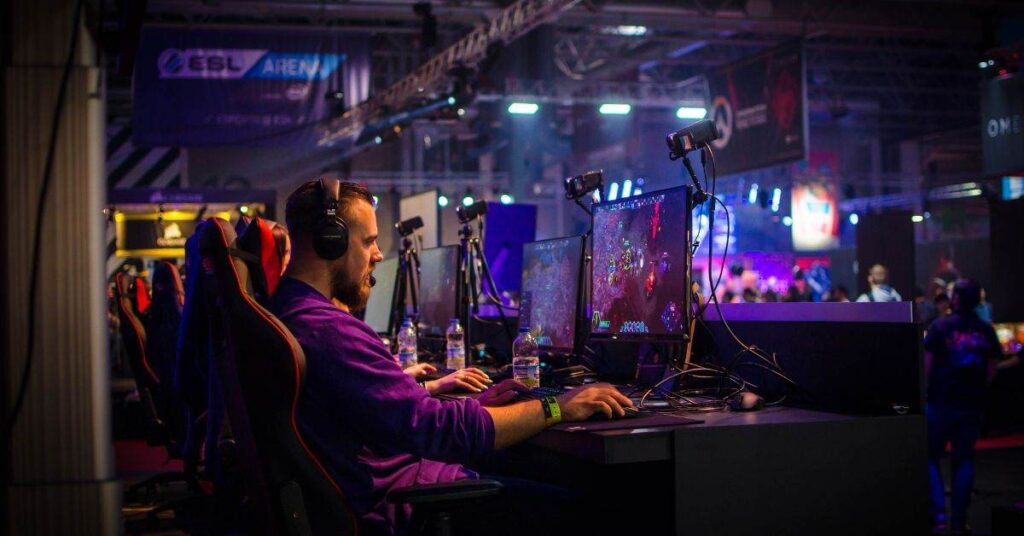
Sponsorships are one of the biggest sources of income for esports organizations. Brands want to reach young, engaged audiences, and esports fans are known for being loyal and active online.
To attract sponsors, a team usually needs the following:
- A clean public image and consistent branding.
- Proof of steady viewership across streams and tournaments.
- A safe, well-managed environment free of major scandals.
- Clear reporting on audience reach and engagement.
Smart esports organizations avoid depending on just one sponsor or one income source. Instead, they mix sponsorship deals, merchandise sales, streaming income, and tournament prize money. This mix protects the team if one revenue stream slows down, such as during a quiet tournament season.
Financial planning also affects player pay. Teams that manage money well can offer stable salaries, which helps them keep good players instead of losing them to bigger organizations. This financial stability is often overlooked by fans, but it is one of the main reasons some esports teams last for many years while others disappear quickly.
Common Challenges Esports Organizations Face Today
Even well-run esports groups face real problems. Understanding these challenges helps fans and new organizations know what to expect.
- Player burnout: Long hours and constant travel can wear players down quickly.
- Roster changes: Losing a star player can hurt team performance and fan trust.
- Toxic online behavior: Harassment toward players or staff remains a serious issue across the industry.
- Unstable income: Sponsorship deals can end suddenly, especially during economic downturns.
- Rapid game changes: Popular games get updated often, forcing teams to adjust strategy constantly.
Organizations that plan ahead for these challenges, instead of reacting after problems happen, tend to survive longer in a fast-changing industry. Having backup players, diverse income streams, and clear wellness policies all help reduce these risks.
The Future of Structured Esports Organizations
Looking ahead, esports organizations are likely to keep blending competitive gaming with education, wellness, and community work. Schools and universities are adding more esports programs, and mental health support for players is becoming a standard expectation rather than a bonus.
The organizations that will grow the strongest in the coming years are the ones that treat players as whole people, not just competitors. This means combining strategy, coaching, content creation, and player care into one steady system, which is exactly the kind of model that the Project Rethink Org team esports represents for the wider industry.
As esports keeps maturing into a mainstream form of entertainment, this people-first approach is likely to become the standard, not the exception.
Frequently Asked Questions
What does an esports organization actually do besides play games?
It manages coaching, player wellness, content creation, sponsorships, and community building around a competitive gaming team.
Do esports players need formal coaching?
Yes, most competitive players work with coaches and analysts to improve strategy, teamwork, and in-game decisions.
Is mental health support common in esports teams?
It is becoming more common, with many organizations now offering counseling and wellness programs for players.
How do esports teams make money?
Mainly through sponsorships, streaming income, merchandise sales, and tournament prize money.
Can beginners join a structured esports organization?
Many groups run academy or development teams where newer players can train and grow before joining the main roster.
Conclusion:
Esports has clearly grown beyond casual gaming nights into a serious global industry with real careers, real money, and real responsibility toward players. Understanding how organizations are structured, from coaching and roster building to mental health support and sponsorships, helps fans, parents, and new players see the bigger picture.
The Project Rethink Org team esports model reflects a wider shift happening across competitive gaming: success is no longer measured by wins alone but by how well an organization takes care of its people while building a sustainable brand. This balance of performance and wellbeing is likely to shape esports for years to come.
If you are interested in esports, whether as a fan, a parent, or a future player, take time to look into how your favorite teams are structured. Support organizations that value player wellness and community, and encourage healthy gaming habits in yourself or your family. Explore local or collegiate esports programs if you want a safe, structured way to get involved in competitive gaming today.