

Introduction
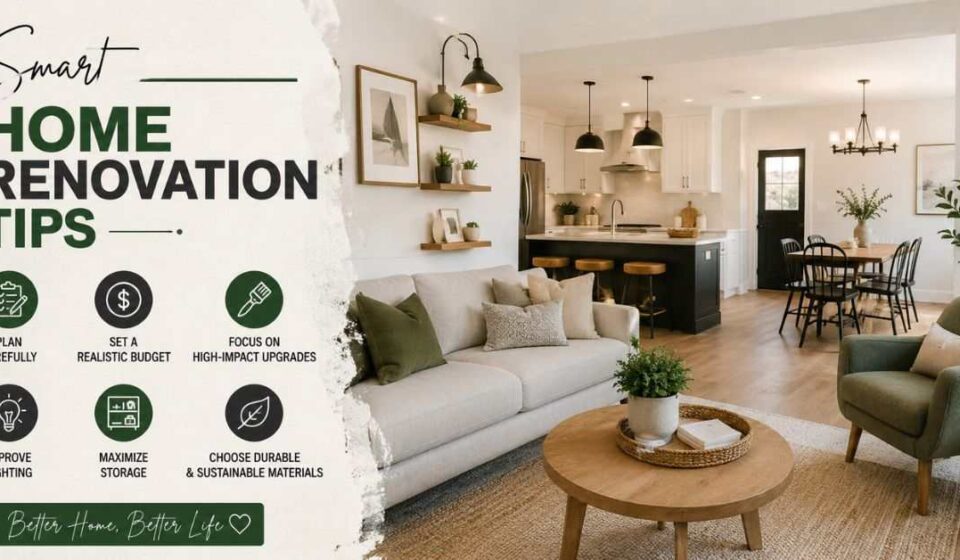
A well-planned home makeover can transform outdated spaces into practical, attractive areas that better support modern living. Renovating a home is one of the best ways to improve comfort, increase property value, and create a space that better fits your lifestyle. Whether you want to update a single room or refresh your entire house, a successful renovation requires planning, patience, and smart decisions. Many homeowners rush into projects without setting clear goals, which often leads to overspending and disappointing results.
The good news is that you do not need a huge budget to make meaningful improvements. Small upgrades, thoughtful design choices, and proper planning can completely transform a living space. By following decoradhouse renovation tips from decoratoradvice, homeowners can avoid common mistakes and focus on improvements that deliver long-term benefits.
This guide covers practical renovation strategies, budgeting advice, storage ideas, energy-efficient upgrades, and decorating techniques that are relevant in 2026. The goal is to help you create a home that looks beautiful, functions efficiently, and remains comfortable for years to come.
Start With a Clear Renovation Plan
Before buying materials or hiring contractors, create a detailed renovation plan. A clear plan helps you stay organized and prevents costly mistakes later.
Start by identifying your priorities. Ask yourself which areas of the home need the most attention. Some homeowners focus on appearance, while others prioritize functionality, safety, or energy efficiency.
Consider these questions:
- What is your renovation budget?
- Which rooms need improvement first?
- How long should the project take?
- Will you hire professionals or do some work yourself?
Creating a written checklist can help you track progress and stay focused. It is also useful for comparing quotes from contractors and estimating material costs.
A renovation plan does not need to be complicated. Even a simple outline can save time and money throughout the project.
Set a Budget That Works
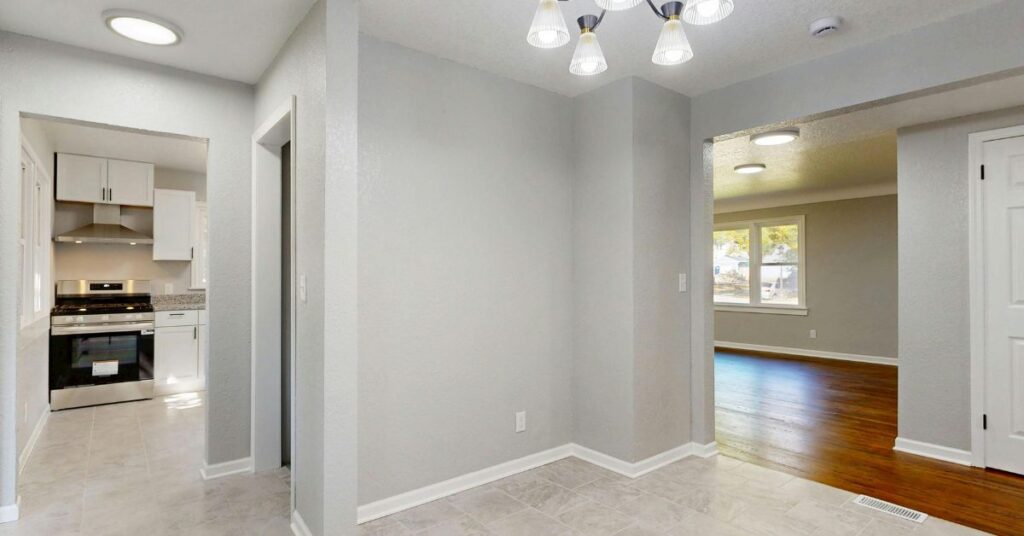
Budgeting is one of the most important parts of home improvement. Without a spending plan, renovation costs can quickly become overwhelming.
A simple budgeting approach is shown below.
| Category | Suggested Percentage |
|---|---|
| Materials | 40% |
| Labor | 35% |
| Furniture & Decor | 10% |
| Permits & Fees | 5% |
| Emergency Fund | 10% |
Always include an emergency fund because unexpected issues often appear during renovation work. Hidden plumbing leaks, damaged wiring, or structural repairs can increase costs.
One of the most practical decoradhouse renovation tips from decoratoradvice is to compare prices before making purchases. Request multiple contractor estimates and research material options carefully.
Lower costs can be appealing, but durability and long-term performance are often more important than the initial price. Quality materials often last longer and require fewer repairs over time.
Focus on High-Impact Upgrades
Some renovations provide greater benefits than others. If your budget is limited, focus on improvements that offer the biggest impact.
Popular high-value upgrades include:
- Kitchen improvements
- Bathroom renovations
- Flooring replacement
- Fresh paint
- Improved lighting
- Storage solutions
- Energy-efficient windows
These projects can improve daily comfort while increasing property value.
Instead of renovating every room at once, focus on one area at a time. This approach helps control costs and allows you to complete projects more efficiently.
Completing one renovation project properly is usually more effective than starting several improvements and leaving them unfinished.
Improve Lighting Throughout the Home
The way a room is lit can greatly influence its overall appearance and atmosphere. Bright, balanced lighting often makes spaces feel more open and inviting.
Natural light should be maximized whenever possible. Large windows, glass doors, and light-colored walls can help brighten interior spaces.
For artificial lighting, use a combination of:
- Ambient lighting
- Task lighting
- Accent lighting
LED bulbs remain one of the best choices in 2026 because they are energy efficient and long-lasting.
The following table highlights common lighting options.
| Lighting Type | Purpose |
|---|---|
| Ambient | General room lighting |
| Task | Reading, cooking, working |
| Accent | Highlighting decor and features |
Following decoradhouse renovation tips from decoratoradvice often starts with improving lighting because it can transform a room without major construction.
Upgrade Your Kitchen Wisely
The kitchen is one of the most frequently used areas in a home. Renovating this space can improve both functionality and resale value.
Modern kitchen upgrades include the following:
- Quartz countertops
- Soft-close cabinets
- Energy-efficient appliances
- Smart storage systems
- Under-cabinet lighting
You do not always need a complete remodel. Repainting cabinets, replacing hardware, and updating lighting fixtures can provide a fresh new appearance at a lower cost.
Prioritize upgrades that improve everyday convenience and help your home function more efficiently. Better storage, durable surfaces, and efficient appliances often provide greater value than purely decorative upgrades.
A functional kitchen remains one of the smartest investments homeowners can make.
Create More Storage Space
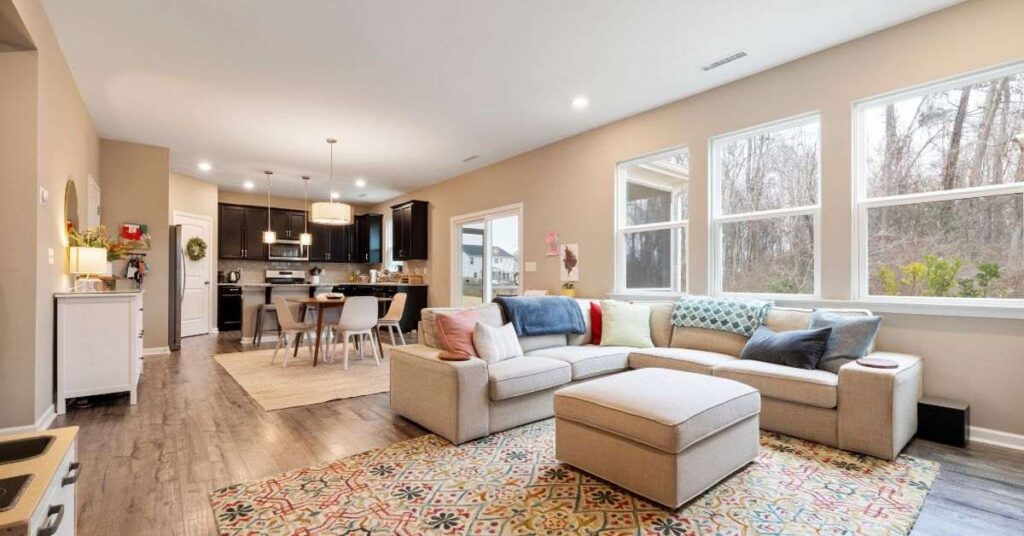
Storage is often overlooked during renovation planning. However, organized spaces improve both appearance and functionality.
Consider adding:
- Built-in shelving
- Closet organizers
- Storage benches
- Under-bed storage
- Wall-mounted cabinets
Many homeowners now choose furniture that serves multiple purposes, helping them make better use of limited space.
For smaller homes and apartments, smart storage solutions can make rooms feel larger and less cluttered. Before purchasing new furniture, think about how storage can be incorporated into the design.
Many homeowners appreciate decoradhouse renovation tips from decoratoradvice because they focus on practical solutions rather than expensive decorative trends.
Choose Durable Materials
Material selection affects the longevity of your renovation. Choosing durable products helps reduce maintenance costs and future repairs.
Popular material options for 2026 include:
| Area | Recommended Material |
|---|---|
| Flooring | Luxury Vinyl Plank |
| Countertops | Quartz |
| Walls | Low-VOC Paint |
| Outdoor Spaces | Composite Decking |
When selecting materials, consider:
- Durability
- Maintenance requirements
- Cost
- Appearance
- Environmental impact
High-quality materials may require a larger upfront investment, but they often provide better long-term value.
Always compare warranties and product reviews before making final decisions.
Make Your Home More Energy Efficient
Energy efficiency remains a major renovation priority in 2026. Improving efficiency can lower utility bills and increase comfort throughout the year.
Popular upgrades include:
- LED lighting
- Better insulation
- Smart thermostats
- Energy-efficient windows
- Water-saving fixtures
These improvements help reduce energy consumption while making homes more environmentally friendly.
Many homeowners begin applying decoradhouse renovation tips from decoratoradvice by focusing on energy savings because the benefits continue long after the renovation is complete.
Small upgrades can create noticeable reductions in monthly expenses.
What Are the Most Common Renovation Mistakes?
Many renovation projects encounter problems because homeowners make avoidable mistakes.
Common errors include:
Starting Without a Budget
Projects often become more expensive than expected when costs are not tracked carefully.
Choosing Cheap Materials
Low-cost products may require replacement sooner and increase maintenance expenses.
Hiring Contractors Too Quickly
Always compare multiple estimates and check references before making a decision.
Changing Plans Mid-Project
Frequent changes can delay timelines and increase labor costs.
Ignoring Future Maintenance
Every renovation should include a plan for long-term upkeep.
Avoiding these mistakes can save significant time and money.
In What Order Should You Decorate a House?
Decorating a house is easier when completed in the correct sequence.
A recommended order is:
- Finish repairs and renovations.
- Paint walls and ceilings.
- Install flooring.
- Place large furniture pieces.
- Add lighting fixtures.
- Install curtains and rugs.
- Add artwork and decorative accessories.
This process helps create a balanced design while preventing unnecessary rework.
Following a structured approach allows homeowners to make better decorating decisions and avoid cluttered spaces.
What Is the Best Way to Decorate a House?
The best decorating strategy combines functionality, comfort, and personal style.
Begin with a consistent color palette that works throughout the home. Neutral colors remain popular because they provide flexibility and create a calm atmosphere.
Choose furniture that fits the size of each room and supports everyday activities. Avoid overcrowding spaces with unnecessary items.
Add personality through:
- Artwork
- Plants
- Decorative cushions
- Rugs
- Accent pieces
One of the most effective decoradhouse renovation tips from decoratoradvice is to decorate gradually rather than purchasing everything at once. This approach allows you to make thoughtful decisions and create a more balanced interior.
A beautiful home is not defined by trends alone. The most successful spaces reflect the needs and lifestyle of the people who live there.
FAQs
What are decoradhouse renovation tips from decoratoradvice?
They are practical recommendations that help homeowners improve functionality, comfort, and property value through smart renovations.
How much should I save for unexpected renovation expenses?
Most experts recommend keeping at least 10% of your renovation budget as an emergency fund.
Which renovation adds the most value?
Kitchen and bathroom upgrades are often considered the most valuable improvements.
Are energy-efficient renovations worth the cost?
Yes. They can reduce utility bills and improve long-term home performance.
Should I renovate the entire house at once?
Many homeowners achieve better results by completing renovations in phases rather than tackling everything simultaneously.
Conclusion
Home renovation is an investment that can improve both daily living and long-term property value. Successful projects begin with careful planning, realistic budgeting, and a focus on practical improvements. Whether you are upgrading a kitchen, improving storage, replacing flooring, or increasing energy efficiency, thoughtful decisions make a significant difference.
The best results come from balancing appearance, functionality, and durability. By applying decoradhouse renovation tips from decoratoradvice, homeowners can create spaces that are comfortable, attractive, and designed to meet future needs.
Start by identifying your priorities, creating a renovation plan, and taking one step at a time. Even small improvements can transform a home when completed with care and attention to detail.