

Introduction
A beautiful home is more than just attractive furniture and trendy decorations. It is a place where people feel comfortable, relaxed, and happy. In 2026, homeowners are focusing on creating spaces that combine style, function, and personal expression. Whether you live in a large house or a small apartment, smart decorating choices can completely transform your environment.
This home decor guide ththomedec is designed to help beginners and experienced homeowners understand the essential principles of modern home design. Instead of following expensive trends, this guide focuses on practical solutions that improve comfort, organization, and visual appeal.
From selecting colors and arranging furniture to improving lighting and maximizing storage, every decorating decision plays a role in creating a better living space. The good news is that you do not need a professional designer to achieve great results. By understanding a few simple concepts and applying them consistently, you can create a home that looks beautiful and works well for everyday life.
This comprehensive guide covers everything you need to know about modern home decoration in 2026, including expert tips, design trends, common mistakes, and budget-friendly solutions.
What Is the Home Decor Guide Ththomedec?
The term home decor guide ththomedec refers to a structured approach to improving interior spaces through thoughtful design, furniture selection, color planning, lighting, and organization. Rather than focusing only on appearance, this method emphasizes creating rooms that are both attractive and functional.
A successful decorating plan considers:
- Room purpose
- Available space
- Lighting conditions
- Color harmony
- Furniture placement
- Personal preferences
- Budget limitations
The goal is to create a balanced environment where every element serves a purpose. Modern decorating is no longer about filling rooms with expensive items. Instead, it focuses on choosing pieces that improve comfort and support daily activities.
Whether decorating a new home or refreshing an existing one, following a clear design framework helps avoid costly mistakes and creates a more cohesive appearance throughout the house.
Why Home Design Matters
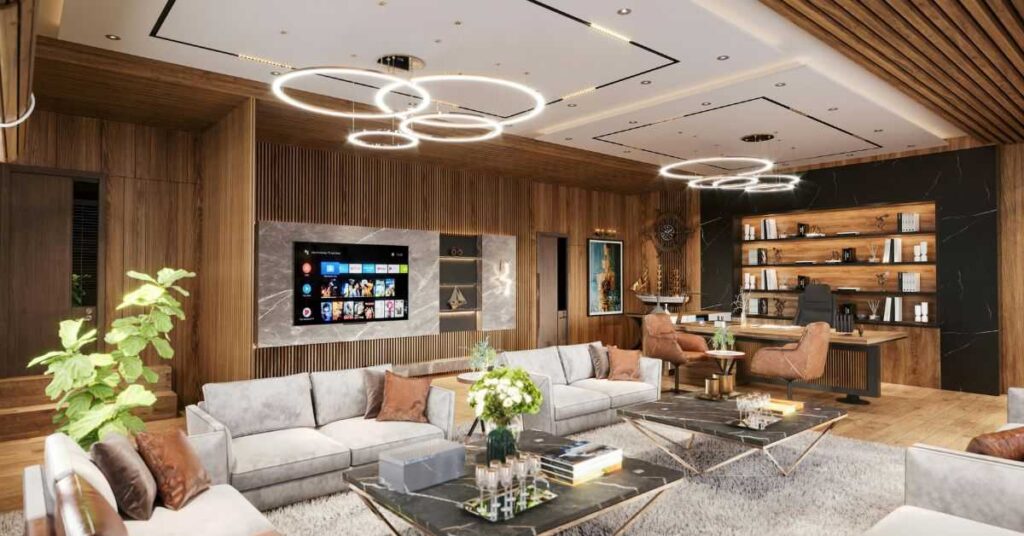
Many people underestimate the impact their surroundings have on daily life. A well-designed home can improve mood, productivity, comfort, and even overall well-being.
Benefits of good home design include:
- Better organization
- Reduced stress
- Increased comfort
- Improved functionality
- Enhanced property value
- More enjoyable living spaces
A cluttered or poorly planned room often feels overwhelming. In contrast, an organized and visually balanced environment encourages relaxation and efficiency.
Research continues to show that comfortable living environments contribute positively to mental health. Natural light, calming colors, and organized spaces can help create a more pleasant atmosphere for both individuals and families.
Good design is not about perfection. It is about creating spaces that support your lifestyle while reflecting your personality.
Core Principles of Great Home Decor
Every successful interior design project follows a few basic principles. Understanding these concepts makes decorating much easier.
Balance
Visual balance ensures that one side of a room does not feel heavier than the other.
Harmony
Colors, furniture, and accessories should work together rather than compete for attention.
Functionality
Every room should support its intended purpose.
Proportion
Furniture should fit the size of the room appropriately.
Focal Points
Each room benefits from a central feature such as artwork, a fireplace, or a statement furniture piece.
The home decor guide ththemed approach combines these principles to create spaces that feel both stylish and practical.
Room Planning and Layout
Before purchasing anything, create a room plan.
Start by measuring:
- Length
- Width
- Height
- Window locations
- Door placement
This information helps determine what furniture will fit comfortably.
Layout Tips
- Leave clear walking paths.
- Avoid blocking natural light.
- Create conversation areas.
- Place larger furniture first.
- Use rugs to define spaces.
A good layout improves movement and makes rooms feel larger. Even small adjustments can dramatically improve functionality.
For open-concept homes, furniture placement can help separate living, dining, and work zones without building physical walls.
Choosing Colors That Work
Color plays a major role in interior design because it influences mood and perception.
Popular 2026 Color Trends
| Color | Effect |
|---|---|
| Warm White | Clean and timeless |
| Sage Green | Calm and natural |
| Terracotta | Warm and welcoming |
| Dusty Blue | Relaxing and elegant |
| Soft Beige | Cozy and versatile |
Use the 60-30-10 rule:
- 60% dominant color
- 30% secondary color
- 10% accent color
This formula creates visual balance and prevents rooms from feeling overwhelming.
Neutral colors remain popular because they provide flexibility when updating furniture or accessories later.
Lighting Strategies for Every Room
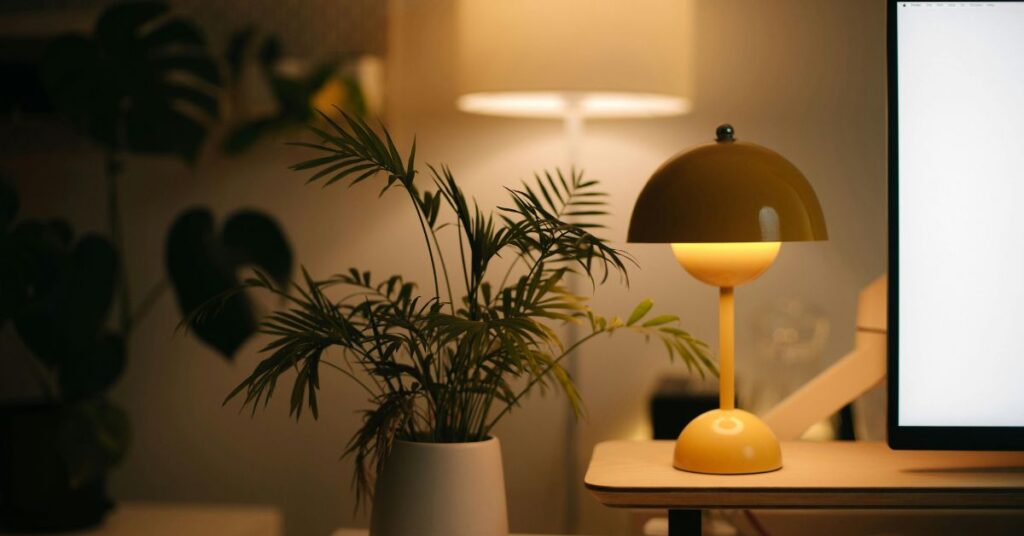
Lighting is one of the most overlooked aspects of home design.
Experts recommend combining three types of lighting:
Ambient Lighting
Provides overall room illumination.
Task Lighting
Supports specific activities such as reading or cooking.
Accent Lighting
Highlights decorative features and creates atmosphere.
Room-by-Room Lighting Guide
| Room | Best Lighting Type |
|---|---|
| Living Room | Ambient + Accent |
| Kitchen | Ambient + Task |
| Bedroom | Soft Ambient |
| Office | Strong Task Lighting |
| Dining Room | Decorative Pendant Lighting |
Natural light should always be maximized whenever possible. Large windows, mirrors, and light-colored walls help brighten spaces naturally.
Furniture Selection Guide
Furniture should support both comfort and functionality.
When choosing furniture, consider:
- Room size
- Durability
- Comfort
- Maintenance requirements
- Design style
Many homeowners make the mistake of purchasing oversized furniture. This often makes rooms feel crowded.
The home decor guide ththomedec philosophy encourages selecting fewer high-quality pieces rather than filling rooms with unnecessary items.
Multi-purpose furniture is especially useful in smaller homes. Examples include storage ottomans, sofa beds, extendable tables, and wall-mounted desks.
Quality furniture lasts longer and often provides better value over time.
Decorating Small Spaces Effectively
Small spaces require thoughtful planning.
Helpful strategies include:
- Vertical storage
- Wall shelves
- Foldable furniture
- Multi-functional pieces
- Hidden storage solutions
Mirrors can also create the illusion of larger rooms by reflecting light and space.
Decluttering remains one of the most effective decorating techniques. Removing unnecessary items instantly makes rooms feel larger and cleaner.
Focus on essentials first and add decorative elements gradually.
Even compact apartments can feel open and inviting when properly organized.
Budget-Friendly Decorating Ideas
Decorating does not have to be expensive.
Affordable upgrades include:
- Repainting walls
- Adding plants
- Updating lighting fixtures
- Rearranging furniture
- Replacing cushions
- Installing shelves
- Creating gallery walls
Many homeowners achieve impressive results simply by improving organization and reducing clutter.
The home decor guide ththomedec approach emphasizes thoughtful spending rather than impulse buying.
Before purchasing new items, consider whether existing furniture can be refreshed through cleaning, repainting, or reupholstering.
Small changes often deliver the greatest visual impact.
Home Decor Trends for 2026
Several design trends are shaping homes in 2026.
Sustainable Materials
Eco-friendly furniture and recycled materials continue growing in popularity.
Natural Textures
Wood, stone, bamboo, and woven materials create warmth.
Smart Home Integration
Technology is becoming seamlessly integrated into interior design.
Flexible Spaces
Rooms increasingly serve multiple purposes.
Personalized Design
Homeowners are moving away from copying trends and focusing on individual style.
These trends reflect a shift toward comfort, sustainability, and long-term functionality.
Common Home Decorating Mistakes to Avoid
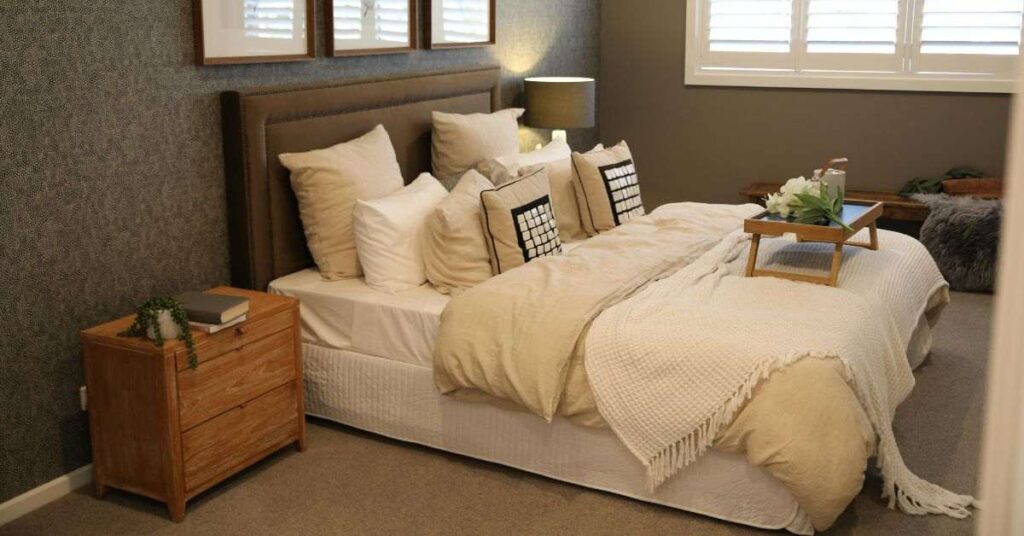
Avoiding mistakes can save significant time and money.
Common decorating errors include:
- Buying furniture before measuring.
- Ignoring lighting needs.
- Choosing colors too quickly.
- Overcrowding rooms.
- Following trends blindly.
- Neglecting storage solutions.
- Hanging artwork too high.
The best results come from planning carefully and making gradual improvements.
A successful home decor guide ththomedec strategy focuses on balance rather than perfection.
Remember that every home is unique and should reflect the needs of its occupants.
Quick Comparison: Good vs Poor Decorating Decisions
| Good Choice | Poor Choice |
|---|---|
| Measuring rooms first | Buying without measuring |
| Layered lighting | Single overhead light |
| Functional furniture | Decorative but impractical pieces |
| Organized storage | Excessive clutter |
| Balanced colors | Too many competing colors |
| Long-term planning | Impulse purchases |
FAQs
What is the main purpose of home decoration?
The goal is to create comfortable, functional, and visually appealing living spaces.
Which home decor trend is most popular in 2026?
Sustainable materials and natural textures are among the biggest trends.
Can I decorate a home on a small budget?
Yes. Paint, lighting, plants, and organization can significantly improve a space without major spending.
How often should home decor be updated?
Minor updates every season and larger reviews every few years are usually sufficient.
Is professional interior design necessary?
No. Most homeowners can achieve excellent results by following basic design principles.
Conclusion
Creating a beautiful home does not require expensive renovations or professional design services. The key is understanding how space, color, furniture, lighting, and organization work together to create a comfortable environment. By applying the principles explained in this guide, homeowners can make smarter decorating decisions and avoid common mistakes.
This home decor guide ththomedec provides a practical framework for improving any living space, regardless of size or budget. Whether you are redesigning a single room or refreshing your entire home, focusing on comfort, functionality, and personal style will produce the best results.
Start with one area, make gradual improvements, and build a home that supports your lifestyle. With patience and thoughtful planning, anyone can create a space that feels welcoming, organized, and uniquely their own.