

Most people want a home that feels calm, tidy, and easy to live in. But many think that reaching that goal needs a huge budget or a full renovation crew. That is not true. LLBlogHome upgrades by LoveLolaBlog show homeowners how a few smart, low-cost changes can completely change the feel of a house.
This idea has grown popular because it does not push readers toward pricey remodeling. Instead, it points to easy fixes such as better lighting, smarter storage, updated décor, and small energy-saving habits that anyone can start today. In 2026, homes are busier than ever. They are used for work, study, rest, and family time, sometimes all in the same afternoon. A space that supports this kind of daily life needs thoughtful planning, not just nice furniture.
This guide walks through what home upgrades really mean, why this approach works, and how to plan your own improvements room by room. You will also find a budget-planning table, a smart-device comparison chart, common mistakes to avoid, and simple habits that help your upgrades last. By the end, you will have a clear, realistic path toward a home that works better for you.
What Does LLBlogHome Upgrades by LoveLolaBlog Actually Mean?

At its core, LLBlogHome upgrades by LoveLolaBlog is a simple philosophy: improve a home through small, useful changes instead of large, costly projects. It is less about chasing the latest design trend and more about solving everyday problems, like a cluttered kitchen counter or a dim living room.
This idea usually covers a mix of practical fixes, including:
- Rearranging or decluttering a room for better flow
- Swapping old lighting for brighter, energy-saving options
- Adding basic smart home devices for convenience
- Creating extra storage without buying new furniture
- Refreshing décor with paint, textiles, or plants
- Making small changes that cut down on energy waste
The main aim is to help a home feel more comfortable and function better, all while staying inside a realistic budget.
Why This Approach Works for Everyday Homeowners
Plenty of blogs share design advice, but not all of it is easy to actually use. This particular method stands out because it keeps things simple, realistic, and doable for people with different skill levels and budgets.
Clear, simple explanations
Ideas are shared in plain language, without confusing design jargon, so beginners can follow along just as easily as experienced DIYers.
Real-life focus
The advice centers on comfort and daily use rather than showroom-style perfection that is hard to maintain.
Low financial pressure
Many suggestions cost little to nothing, which makes the approach realistic for renters, students, and growing families alike.
Fresh but flexible ideas
Readers can pick up current design inspiration while still adjusting each idea to fit their own space and taste.
Key Benefits of Making Home Upgrades
Home improvements are not only about appearance. When planned well, they also affect comfort, cost, and even long-term property value.
Some of the main benefits include:
- Better use of small or awkward spaces
- Lower energy bills through simple efficiency upgrades
- A home that feels calmer and less cluttered
- Fewer repair issues down the road
- A possible increase in resale value over time
Even one small upgrade, like adding proper lighting to a dark hallway, can noticeably improve how a home feels day to day. This is exactly the kind of quick win LLBlogHome upgrades by LoveLolaBlog is built around.
Home Design Trends Worth Watching in 2026
Design trends shift every year, and 2026 leans heavily toward comfort, sustainability, and flexible use of space.
Connected homes
More households are adding simple smart devices, such as app-controlled lighting or smart plugs, to make daily routines easier.
Rooms with more than one job
A guest room that doubles as a home office, or a dining table that becomes a workspace, reflects how people actually live now.
Eco-conscious materials
Recycled wood, low-VOC paint, and energy-efficient fixtures are becoming standard choices rather than niche options.
Warm, natural tones
Soft greens, warm beiges, and muted earth colors continue to replace stark white interiors in many homes.
Planning a Realistic Upgrade Budget
Before picking up a paintbrush, it helps to sort upgrade ideas by how urgent or important they are. This keeps spending under control and prevents half-finished projects.
| Upgrade Category | Priority Level | Typical Cost |
|---|---|---|
| Safety and repair issues | High | Low to Medium |
| Cutting down on energy waste | High | Low to Medium |
| Building smarter storage spaces | Medium | Low |
| Décor refresh | Medium | Low |
| Luxury add-ons | Low | Medium to High |
Starting with high-priority items first means your money goes toward things that protect your home and reduce monthly costs before moving on to purely decorative choices.
Living Room Ideas That Actually Get Used
The living room usually carries the most daily traffic in a home, which makes it a smart place to begin any upgrade plan.
Simple, effective changes include:
- Rearranging furniture so walking paths feel open, not blocked
- Adding a floor lamp or two to fix dim, uneven lighting
- Swapping an old rug for one that better fits the room’s size
- Installing a few floating shelves for books or plants
- Bringing in one or two low-maintenance indoor plants for color and life
None of these require a contractor, and most can be finished within a single afternoon.
Kitchen Upgrades Worth the Effort

The kitchen tends to see heavy daily use, so upgrades here often bring the biggest everyday payoff.
Smarter storage:
Pull-out shelves and drawer dividers reduce clutter and make items easier to find.
Task lighting:
Adding brighter light over counters and the stove improves both safety and cooking comfort.
Hardware swaps:
New cabinet handles and knobs are one of the cheapest ways to modernize a kitchen instantly.
Efficient appliances:
Replacing very old appliances with efficient models can noticeably reduce electricity and water use over time.
Smart Devices That Make Daily Life Easier
Technology has become a normal part of home upgrades rather than an optional extra. The table below compares a few common devices and what they mainly offer.
| Device | Main Benefit |
|---|---|
| Smart thermostat | Lower energy use through automatic scheduling |
| Smart plug | Remote control of lamps and small appliances |
| Smart lighting | Convenience and mood-based settings |
| Video doorbell | Better awareness of who is at the door |
| Security camera | Peace of mind while away from home |
Many homeowners following LLBlogHome upgrades by LoveLolaBlog start with just one or two of these devices before slowly adding more, which keeps both cost and setup simple.
Cutting Energy Waste Without Big Renovations
Reducing energy use has become a top priority for many households, both for cost savings and environmental reasons.
Helpful, low-effort upgrades include:
- Switching to LED bulbs throughout the home
- Sealing drafts around windows and doors
- Adding thick curtains to reduce heat loss in winter
- Using a programmable or smart thermostat
- Checking insulation in older homes
DIY Projects Beginners Can Handle
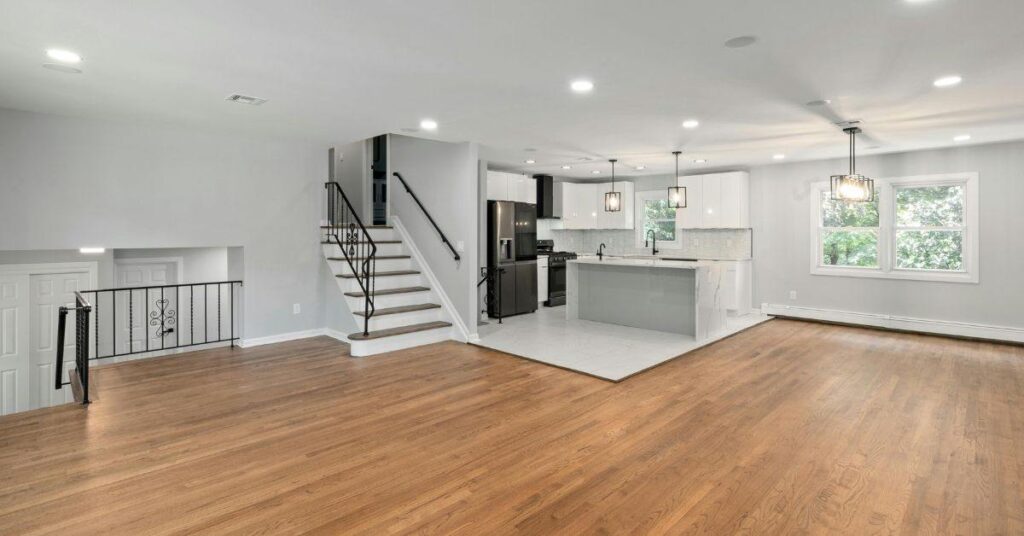
Not every improvement needs a professional. Many upgrades behind LLBlogHome upgrades by LoveLolaBlog are designed for total beginners.
Good starter projects include:
- Painting a single accent wall
- Installing simple floating shelves
- Replacing cabinet or door hardware
- Organizing closets with inexpensive bins
- Hanging affordable wall art or mirrors
Trying one or two of these first builds confidence before tackling anything bigger. For more room-specific ideas, this budget home decor guide is a useful next read.
Mistakes That Waste Time and Money
Even simple upgrades can go wrong without a little forethought. Common issues include:
- Starting a project without any real plan
- Ignoring small repairs until they become bigger problems
- Choosing cheap materials that wear out quickly
- Copying a trend that does not suit the actual room
- Underestimating both cost and time needed
Slowing down just enough to plan ahead usually prevents most of these costly errors.
Keeping Upgrades Looking Good Over Time
Finishing an upgrade is only half the job. A few simple habits help improvements stay in good shape for years.
- Clean surfaces and fixtures on a regular schedule
- Check hinges, handles, and seals every few months
- Watch utility bills for sudden, unexplained increases
- Fix small leaks or cracks before they spread
- Refresh décor lightly once or twice a year
Homeowners who also want a technology-focused checklist may find this smart home basics guide helpful alongside these maintenance habits.
Frequently Asked Questions
What is the main idea behind these home upgrades?
It is a simple approach that focuses on affordable, practical changes instead of expensive full renovations.
Do I need a big budget to start?
No. Most suggested upgrades cost very little and can be done gradually over time.
Which room should I improve first?
Most people begin with the kitchen or living room since these rooms see the most daily use.
Can smart devices really lower my bills?
Yes, devices like smart thermostats and smart plugs can reduce unnecessary energy use.
Do these upgrades add value to a home?
Well-planned, practical upgrades can improve both comfort and long-term resale value.
Conclusion
A better home rarely comes from one expensive renovation. It usually comes from a series of small, sensible choices, better lighting, smarter storage, and a few efficient devices, made one at a time. The thinking behind LLBlogHome upgrades by LoveLolaBlog shows that comfort and style are possible on almost any budget, as long as changes are planned instead of rushed.
Pick one room, choose two or three ideas from this guide, and set a weekend to get started. Small, steady steps like these are what turn an ordinary house into a home that truly fits how you live.